The Impact of Self-Service Kiosks on Public Transportation
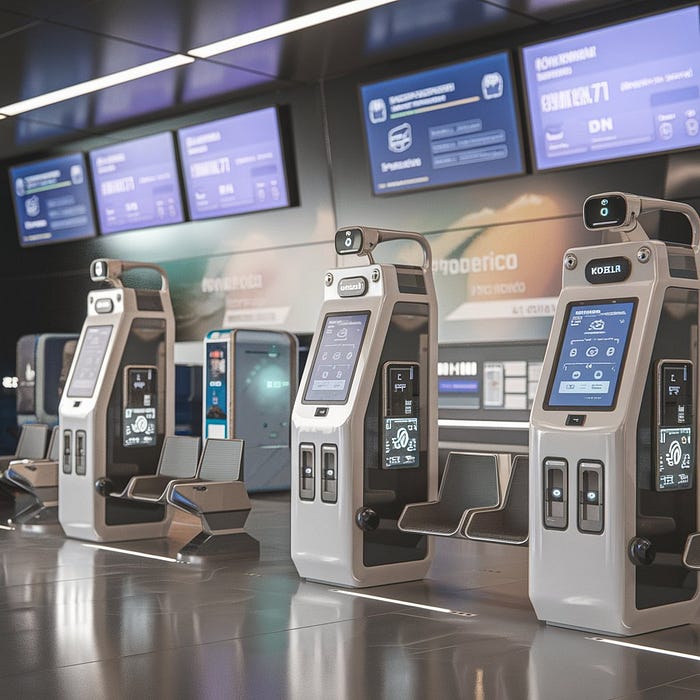
Public transportation is the backbone of urban mobility, and as cities grow, so do the demands for efficient, user-friendly, and cost-effective systems. One of the most significant advancements in this space is the adoption of self-service kiosks. These automated machines have revolutionized how passengers purchase tickets, gather information, and navigate transit systems.
In this article, we will explore the evolution of ticketing systems in public transportation, the benefits of self-service kiosks, the challenges they present, and what the future holds for this technology.
Evolution of Ticketing Systems in Public Transportation
From Manual to Automated Ticketing
Historically, public transportation ticketing was a manual process. Commuters would queue at ticket counters, interact with attendants, and receive paper tickets in exchange for cash. While this system worked, it had several drawbacks:
- Long waiting times due to limited service counters
- Human errors in issuing tickets and handling cash
- Operational inefficiencies leading to increased costs
- Limited accessibility outside of operating hours
To address these inefficiencies, electronic ticketing was introduced, leading to the next phase of automated ticketing.
Introduction of Self-Service Kiosks
With the advancement of technology, self-service kiosks began replacing traditional ticket counters. These kiosks allow commuters to purchase tickets, recharge transit cards, and obtain journey information without human assistance. They have been widely implemented in metro stations, bus terminals, and train stations worldwide.
Their adoption has grown due to the following factors:
- Reduction in labor costs for transit operators
- Faster transaction times, improving commuter flow
- Availability 24/7, ensuring accessibility for all travelers
- Integration with digital payment systems for cashless transactions
Benefits of Self-Service Kiosks
Increased Efficiency and Speed
One of the primary advantages of self-service kiosks is the efficiency they bring to public transportation systems. Unlike manual ticketing, kiosks allow multiple users to process transactions simultaneously, reducing congestion at stations.
Additionally, these kiosks provide multiple payment options, including credit/debit cards, mobile payments, and contactless transactions, which further speeds up the process. This seamless experience ensures that passengers spend less time in queues and more time commuting efficiently.
Cost Savings for Operators
Transit operators benefit financially from deploying self-service kiosks. Some of the cost-saving advantages include:
- Reduction in staffing needs for ticketing booths
- Lower operational costs associated with paper ticketing
- Decreased human errors in transactions, minimizing revenue losses
While the initial investment in kiosks may be high, the long-term financial benefits outweigh the costs. Many transit agencies have reported a positive return on investment due to increased ticket sales and reduced administrative overhead.
Enhanced User Experience
For passengers, self-service kiosks provide convenience and flexibility. They eliminate the need to interact with attendants, making the ticketing process quicker and more independent. Features that enhance the user experience include:
- Multilingual interfaces to accommodate diverse commuter populations
- Real-time travel information and route guidance
- Accessibility features for individuals with disabilities
These factors contribute to higher passenger satisfaction and increased ridership in public transportation networks.
Challenges and Considerations
Technical Issues and Maintenance
Like any technology, self-service kiosks are prone to technical issues. Common problems include:
- Software malfunctions leading to transaction failures
- Hardware failures such as broken touchscreens or jammed printers
- Connectivity issues that disrupt payment processing
Regular maintenance and updates are crucial to ensure kiosks function optimally. Transit agencies must invest in proper servicing and have contingency plans in place to handle unexpected downtimes.
User Adoption and Accessibility
While self-service kiosks are designed to enhance convenience, not all commuters are comfortable using them. Challenges include:
- Elderly individuals who may struggle with digital interfaces
- Technologically inexperienced passengers who prefer traditional ticketing
- Language barriers that may cause confusion
To address these issues, transit operators must offer user education campaigns and ensure kiosks have intuitive, user-friendly interfaces. Providing alternative ticketing methods for those unable to use kiosks is also essential.

Security and Fraud Concerns
Self-service kiosks handle large volumes of financial transactions, making them potential targets for fraud and cyberattacks. Security risks include:
- Credit card skimming devices attached to kiosks
- Data breaches that compromise user payment information
- Vandalism and physical tampering with kiosks
To mitigate these risks, transit agencies must implement robust security measures such as encryption, regular inspections, and biometric authentication where possible.
Future Trends in Self-Service Kiosks for Public Transportation
Integration with Mobile Technology
As mobile technology continues to advance, the integration of kiosks with smartphones is becoming a key trend. Future possibilities include:
- Mobile check-in via QR codes scanned at kiosks
- Ticket purchases made on apps and retrieved at kiosks
- Digital receipts sent directly to mobile devices
These innovations aim to create a seamless interaction between self-service kiosks and mobile applications, enhancing commuter convenience.
Adoption of Artificial Intelligence
Artificial Intelligence (AI) is set to play a significant role in the evolution of self-service kiosks. AI-powered kiosks can:
- Provide real-time, personalized travel recommendations
- Offer voice-assisted ticketing for improved accessibility
- Detect fraudulent activities and enhance security measures
With AI integration, kiosks will become smarter and more efficient, further revolutionizing public transportation ticketing systems.
Conclusion
Self-service kiosks have transformed the public transportation sector by improving efficiency, reducing costs, and enhancing passenger experiences. While they present some challenges, such as technical issues and security concerns, proactive measures can mitigate these risks.
As technology continues to evolve, self-service kiosks will likely integrate with mobile technology and AI, further optimizing the commuting experience. Public transportation systems that embrace these advancements will be better equipped to meet the growing demands of urban mobility.
By implementing user-friendly, secure, and well-maintained kiosks, transit operators can provide seamless and efficient services, ultimately contributing to a smarter and more accessible transportation network for all.
Comments
Post a Comment